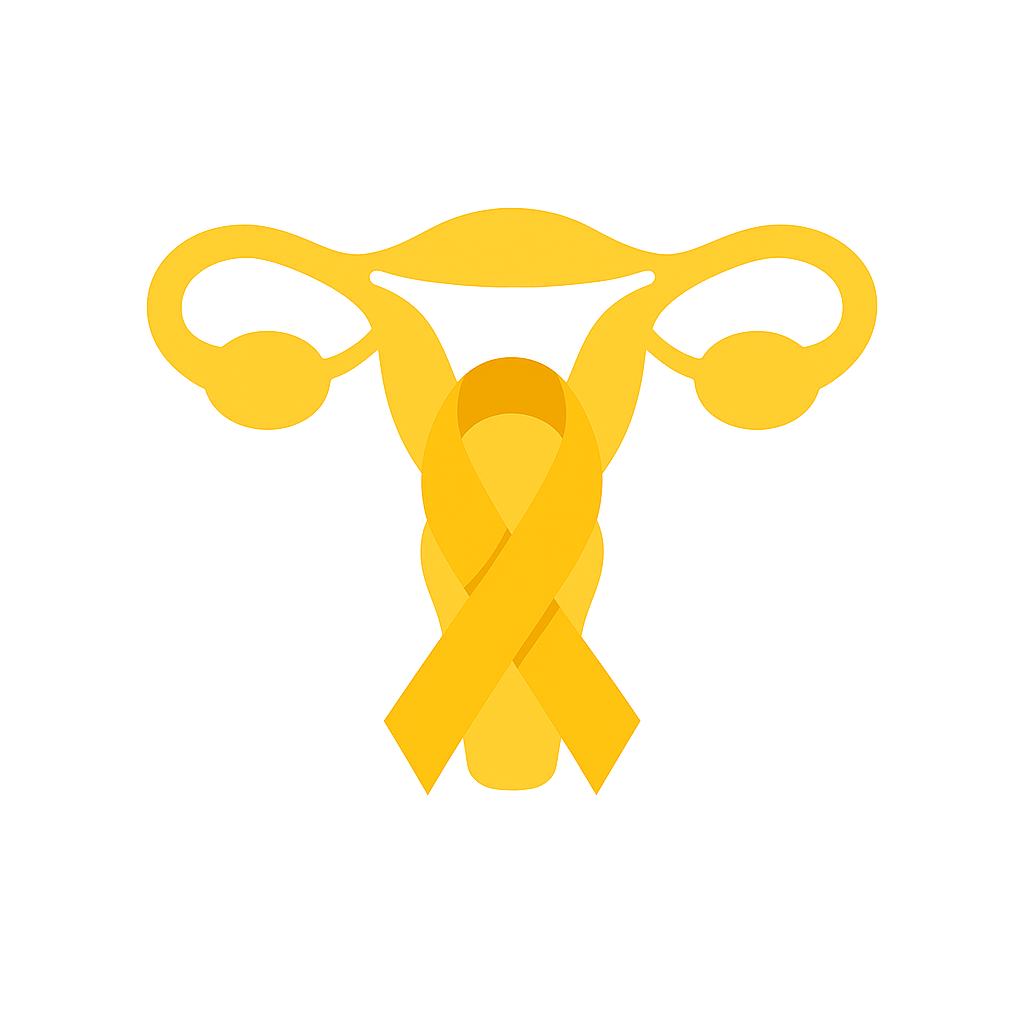

What Is Endometriosis?
A Clear, Compassionate Guide
Endometriosis is a chronic condition affecting about 1 in 10 women and people assigned female at birth worldwide. It occurs when tissue similar to the lining inside the uterus (called the endometrium) grows outside the uterus, causing inflammation, pain, and other symptoms that can seriously impact daily life.
How Does Endometriosis Develop?
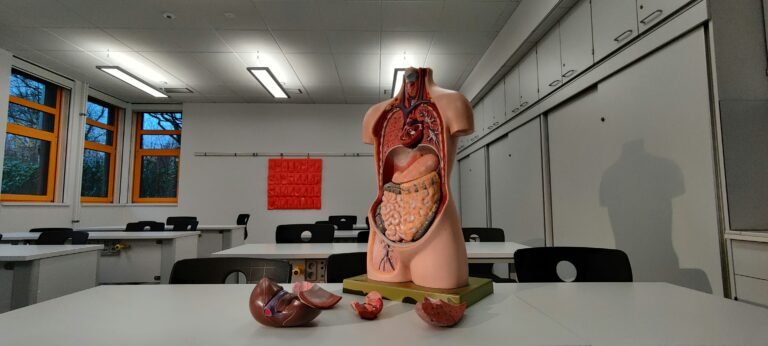
Normally, the endometrial tissue inside the uterus thickens and sheds during each menstrual cycle. In endometriosis, similar tissue grows in places where it shouldn’t—such as on the ovaries, fallopian tubes, bowel, bladder, and pelvic lining. Because this tissue has no way to exit the body, it can cause irritation, scar tissue (called adhesions), and painful symptoms.
Common Symptoms
- Painful periods (dysmenorrhea)
- Chronic pelvic pain
- Pain during or after sex
- Heavy or irregular bleeding
- Digestive issues like bloating or painful bowel movements
- Fatigue
- Infertility or difficulty conceiving
Symptoms can vary widely; some people experience mild discomfort, while others face debilitating pain.
Who Can Get Endometriosis?
Endometriosis most often affects people during their reproductive years but can also be found in teenagers and, rarely, in postmenopausal individuals. It can affect anyone assigned female at birth, regardless of background.
Why Is Endometriosis So Often Misunderstood?
Because symptoms overlap with other conditions—such as irritable bowel syndrome (IBS) or pelvic inflammatory disease—and because painful periods are often dismissed as “normal,” endometriosis frequently goes undiagnosed or is diagnosed late. In the UK, the average time to diagnosis is around 7 to 8 years.
How Is Endometriosis Diagnosed?
Diagnosis usually involves a combination of clinical history, imaging tests, and sometimes laparoscopy—a minimally invasive surgery to look inside the abdomen. Laparoscopy is currently the gold standard for confirming endometriosis.
Living with Endometriosis
There is no cure yet, but treatments can help manage symptoms and improve quality of life. These may include pain relief, hormonal therapies, lifestyle adjustments, and surgery in some cases.
Final Thoughts
If you experience chronic pelvic pain or other symptoms mentioned above, please speak with a healthcare professional. Early recognition and support can make a significant difference.
References
- NHS. (2023). Endometriosis. Available at: https://www.nhs.uk/conditions/endometriosis/
- World Health Organization (WHO). (2021). Endometriosis Fact Sheet. Available at: https://www.who.int/news-room/fact-sheets/detail/endometriosis
- Endometriosis UK. (2024). Understanding Endometriosis. Available at: https://www.endometriosis-uk.org