
How Endometriosis Affects Different Organs
Endometriosis is often thought of as a condition affecting only the uterus — but in reality, it can impact many different organs and areas of the body. This helps explain why symptoms can vary so widely between individuals.
Let’s take a closer look at how endometriosis can affect different parts of the body:
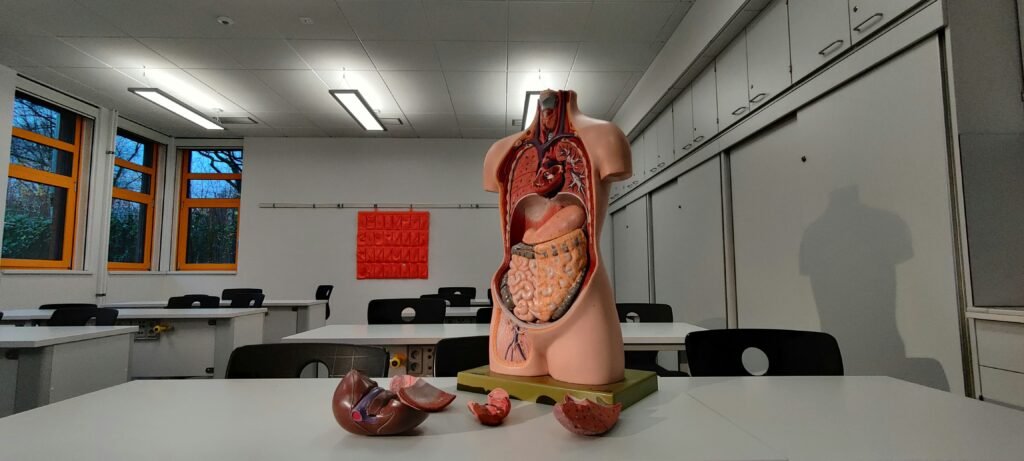
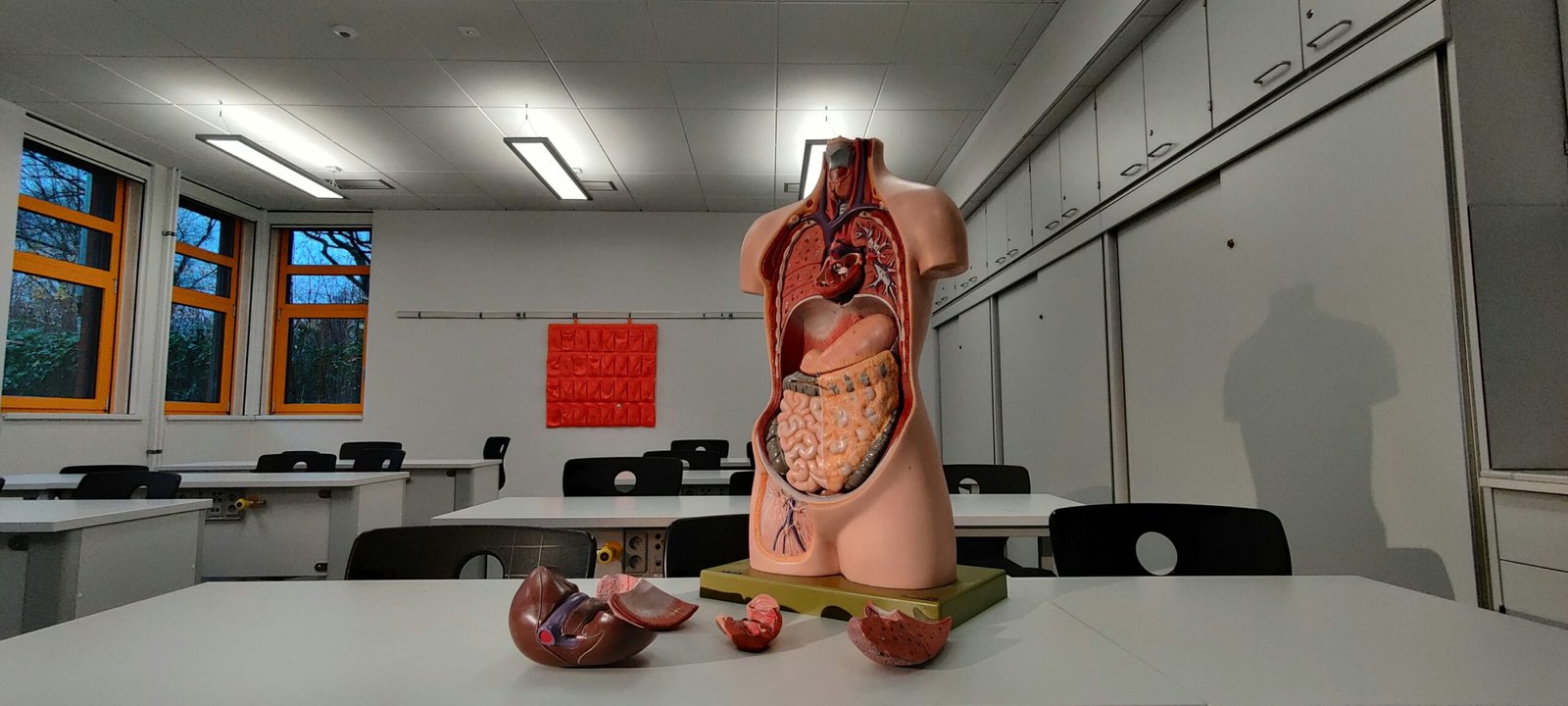
🔹 Reproductive Organs
Endometriosis most commonly affects structures within the pelvis:
- Ovaries: Cysts called endometriomas can form, which may cause pain and interfere with ovulation.
- Fallopian Tubes: Endometriosis here can lead to scarring or blockages, affecting fertility.
- Uterus & Ligaments: Endometrial-like tissue may grow on the outer surface, contributing to painful periods and pelvic discomfort.
🔹 Urinary System
- Bladder: Some people experience bladder pain, urgency, or discomfort when urinating, particularly around menstruation.
- Ureters: These tubes carry urine from the kidneys to the bladder and can sometimes be affected, potentially leading to kidney problems if untreated.
🔹 Digestive System
- Bowel (especially rectum, sigmoid colon): This can cause symptoms such as bloating, constipation, painful bowel movements, or diarrhea — often mistaken for IBS.
- Small Intestine or Appendix: Less commonly affected, but involvement can lead to widespread abdominal pain and inflammation.
🔹 Diaphragm & Lungs (Rare)
- Diaphragm: Diaphragmatic endometriosis can cause upper abdominal pain or pain in the chest and shoulders, especially during your period.
- Lungs (Thoracic Endometriosis): In rare cases, endometrial tissue can appear in the lungs. This can cause chest pain, shortness of breath, or even lung collapse during menstruation (catamenial pneumothorax).
🔹 Other Areas
- Surgical Scars: Endometrial tissue can implant in scars from procedures like C-sections or laparoscopies.
- Nervous System: In rare cases, endometriosis can involve nearby nerves, causing pain, tingling, or numbness in areas such as the legs or pelvic region.
⚠️ Why This Matters
Because endometriosis can appear in so many places, symptoms often don’t “look” like traditional menstrual problems. This is one reason diagnosis takes an average of 7–8 years, and why it’s so important to listen to people’s experiences — especially when they describe pain that seems unrelated to their periods.
Because endometriosis symptoms can mimic other conditions or appear in unexpected areas, comprehensive medical evaluation is essential.
Understanding the varied ways endometriosis can affect the body helps validate experiences and underscores the importance of timely diagnosis and tailored treatment.
📚 References & Further Reading
- NHS. (2023). Endometriosis Overview. Available at: https://www.nhs.uk/conditions/endometriosis/ [Accessed 7 Aug. 2025].
- Endometriosis UK. (2024). Symptoms & Diagnosis. Available at: https://www.endometriosis-uk.org/ [Accessed 7 Aug. 2025].
- Nezhat, C. et al. (2011). Endometriosis on the Diaphragm and Beyond. Journal of Minimally Invasive Gynecology, 18(2), pp. 151–154. https://doi.org/10.1016/j.jmig.2010.11.013