

Endometriosis and Diet: Foods That May Trigger Flare-Ups
Managing endometriosis symptoms often requires a multi-faceted approach, and diet can play an important role in helping some people reduce inflammation and discomfort. While there is no single “endo diet” that works for everyone, certain foods have been reported to trigger flare-ups or worsen symptoms in some individuals.
Understanding which foods might affect you personally can empower better symptom management and improve overall wellbeing.
Foods That May Trigger Endometriosis Symptoms
- High-Fat and Processed Meats
Processed and red meats contain high levels of saturated fats, which may promote inflammation. Some studies suggest that diets rich in red meat could be linked to increased risk or severity of endometriosis symptoms. - Gluten and Wheat Products
While not everyone is sensitive, some people with endometriosis report symptom relief after reducing gluten intake. Gluten may contribute to inflammation or digestive discomfort in susceptible individuals. - Dairy Products
Dairy can exacerbate inflammation or digestive issues for some, especially if lactose intolerance is present. - Caffeine and Alcohol
Excessive caffeine and alcohol consumption may worsen symptoms for some by increasing inflammation or disrupting hormonal balance. - Refined Sugars and Processed Foods
High intake of refined sugars and processed foods can promote systemic inflammation and impair immune function, potentially aggravating endometriosis symptoms.
What Does the Research Say?
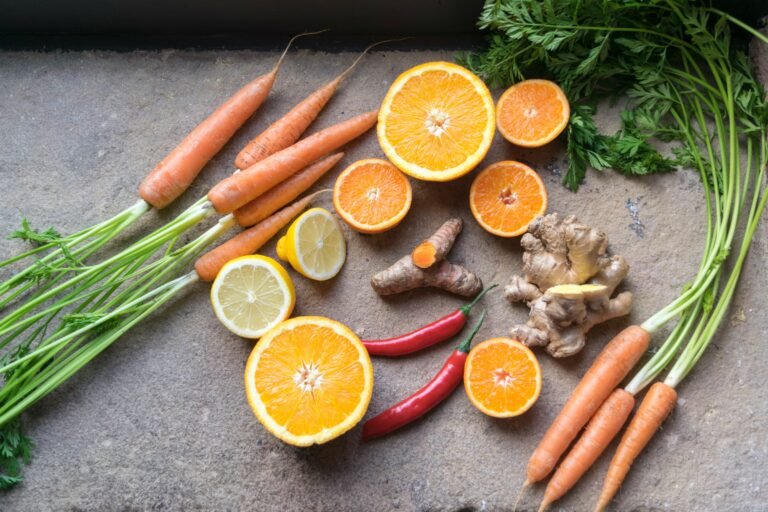
Individual responses to foods vary, but some research supports an anti-inflammatory diet rich in fruits, vegetables, whole grains, and omega-3 fatty acids to help manage symptoms (NHS, 2023; Endometriosis UK, 2024).
A 2017 study in Reproductive Biology and Endocrinology found that women with endometriosis who followed an anti-inflammatory diet reported reduced pain and improved quality of life.
Tips for Using Diet to Manage Symptoms
- Keep a Food Diary: Track what you eat and how your symptoms respond to identify personal triggers.
- Focus on Whole Foods: Prioritise fresh fruits, vegetables, legumes, nuts, seeds, and healthy fats.
- Stay Hydrated: Drinking enough water supports overall health and may help reduce bloating.
- Consult Professionals: Work with a dietitian or nutritionist experienced in endometriosis for personalised guidance.
Important Reminder
Diet alone cannot cure endometriosis, but it can be a valuable part of your overall management plan. Always consult your healthcare team before making significant dietary changes.
References
- NHS. (2023). Endometriosis Treatment and Diet. Available at: https://www.nhs.uk/conditions/endometriosis/treatment/
- Endometriosis UK. (2024). Diet and Nutrition. Available at: https://www.endometriosis-uk.org/diet-and-nutrition
- Marcellin, L., et al. (2017). Dietary factors and endometriosis: A systematic review. Reproductive Biology and Endocrinology, 15(1), 20. https://doi.org/10.1186/s12958-017-0244-0