
Natural Pain Relief Options I’ve Tried (and What Actually Helped)
Living with endometriosis often means managing chronic pain every day. While hormonal treatments and surgery are common, many of us explore natural and complementary options that can make a real difference.
Here’s an honest look at the natural pain relief methods I’ve tried—what helped, what didn’t, and what science says about them.
1. Heat Therapy – My First Line of Defence
Heat helps relax pelvic muscles and improve blood flow, easing cramping and tension.
🟢 What helped: Microwaveable wheat bag + electric heating pad
📚 Backed by: Studies show heat can be as effective as NSAIDs for menstrual pain (Akin et al., 2001).
2. Magnesium Supplements
Magnesium may reduce muscle tension and cramps.
🟢 What helped: Magnesium glycinate (gentle on the stomach)
⚠️ Note: Always consult your healthcare provider before starting supplements.
📚 Backed by: Some evidence supports magnesium for reducing menstrual pain (Parazzini et al., 2017).
3. CBD Oil
CBD is gaining popularity as a natural pain reliever.
🟠 What helped: Mild relief, especially improved sleep
📚 Research: Limited but emerging evidence suggests potential pain reduction (Sinclair et al., 2020).
4. TENS Machine (Transcutaneous Electrical Nerve Stimulation)
A device that sends mild electrical pulses through the skin to relieve pain.
🟢 What helped: Ova+ TENS device designed for period pain
📚 Backed by: Effective for dysmenorrhea in Cochrane reviews (Proctor et al., 2002).
5. Acupuncture
Weekly sessions with a licensed practitioner.
🟠 What helped: Temporary relief after sessions; expensive long-term
📚 Evidence: Some studies show pain reduction and quality of life improvements (Zhu et al., 2011).
6. Dietary Changes
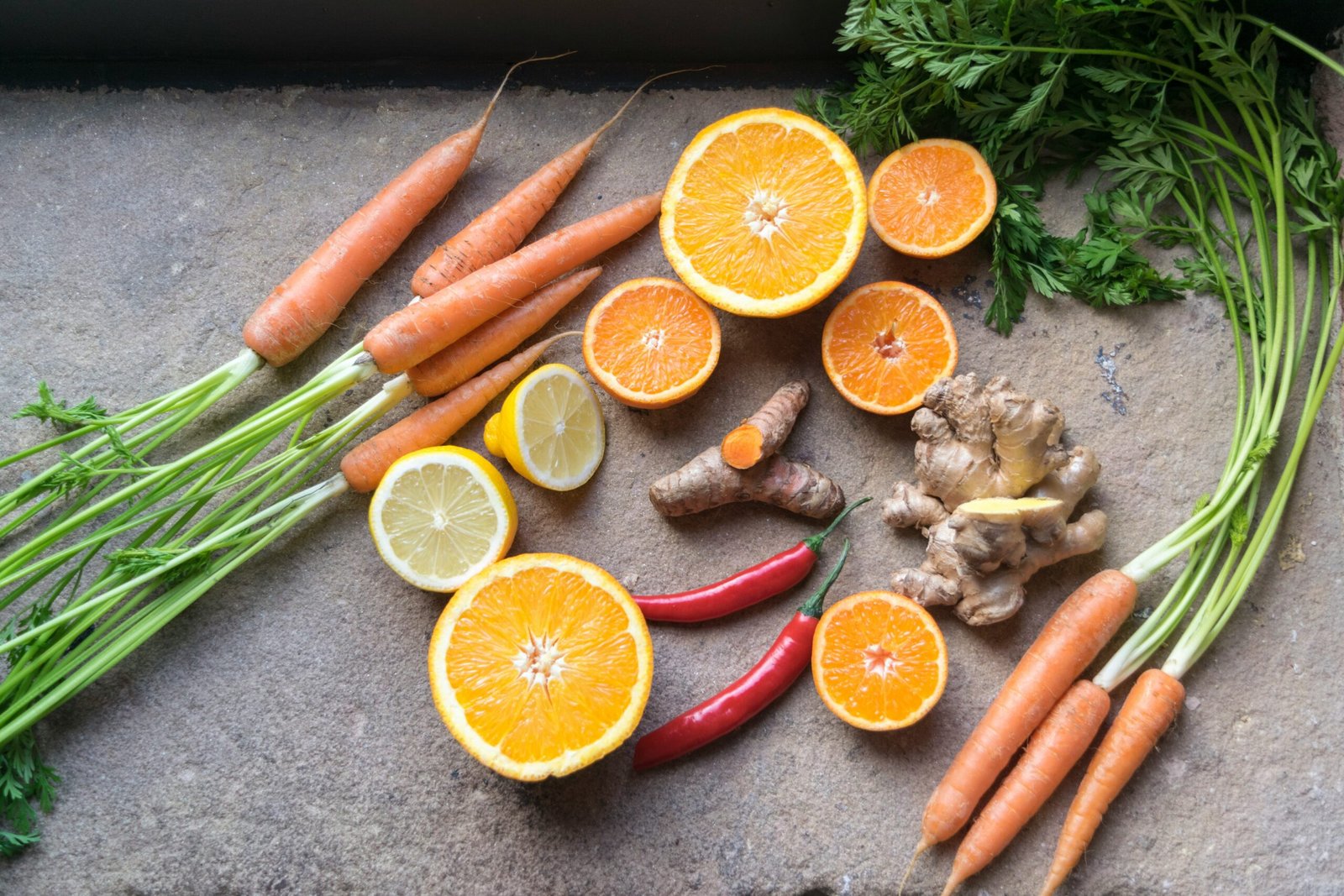
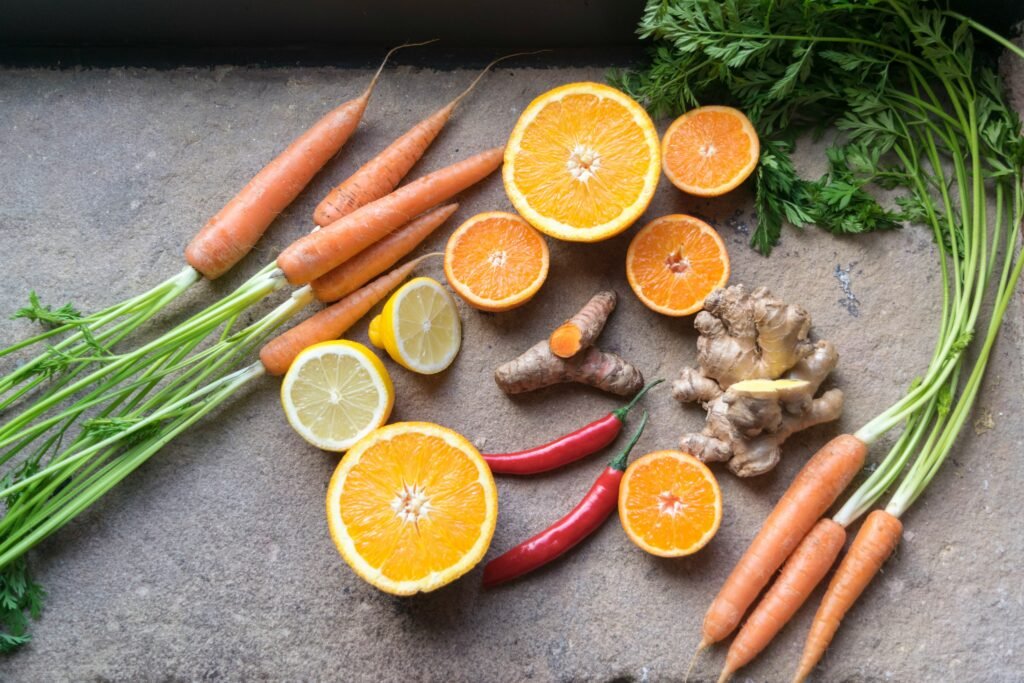
Focusing on anti-inflammatory foods made a noticeable difference.
🟢 What helped: Turmeric, leafy greens, berries, omega-3s
📚 Backed by: Diets rich in these foods may reduce inflammation and support symptom management (Parazzini et al., 2013).
7. Yoga and Gentle Movement
Gentle yoga relieved tension and improved wellbeing.
🟢 What helped: Yin yoga, pelvic floor stretches, deep breathing
📚 Evidence: Linked to improvements in chronic pelvic pain and mental health (Evans et al., 2021).
What Didn’t Work for Me (But Might for Others)
🔴 Castor oil packs – Messy, no noticeable effect
🔴 Essential oils – Pleasant scent, no pain relief
🔴 Herbal teas – Calming, but not strong enough alone
Final Thoughts
Endometriosis pain is deeply personal. What works varies from person to person, but combining natural approaches with medical care helped me feel more in control and less alone. Always consult a healthcare professional before trying new therapies.
References
- Akin, M. D. et al. (2001). The effect of heat on dysmenorrhea. Obstetrics & Gynecology.
- Parazzini, F. et al. (2013). Diet and endometriosis risk: a literature review. Reproductive Biomedicine Online.
- Parazzini, F. et al. (2017). Magnesium and menstrual pain. Gynecological Endocrinology.
- Proctor, M., & Murphy, P. A. (2002). TENS for primary dysmenorrhea. Cochrane Database.
- Sinclair, J. et al. (2020). Cannabinoids and pain in endometriosis: Survey results. Journal of Obstetrics and Gynaecology Canada.
- Zhu, X. et al. (2011). Acupuncture for pain in endometriosis. Cochrane Review.
- Evans, S. et al. (2021). Yoga for chronic pelvic pain: A review of the evidence. Journal of Women’s Health.